.svg)
August 11, 2026
Panama Real Estate Investment: What Makes It Work
Market Insights
Learn More
.svg)

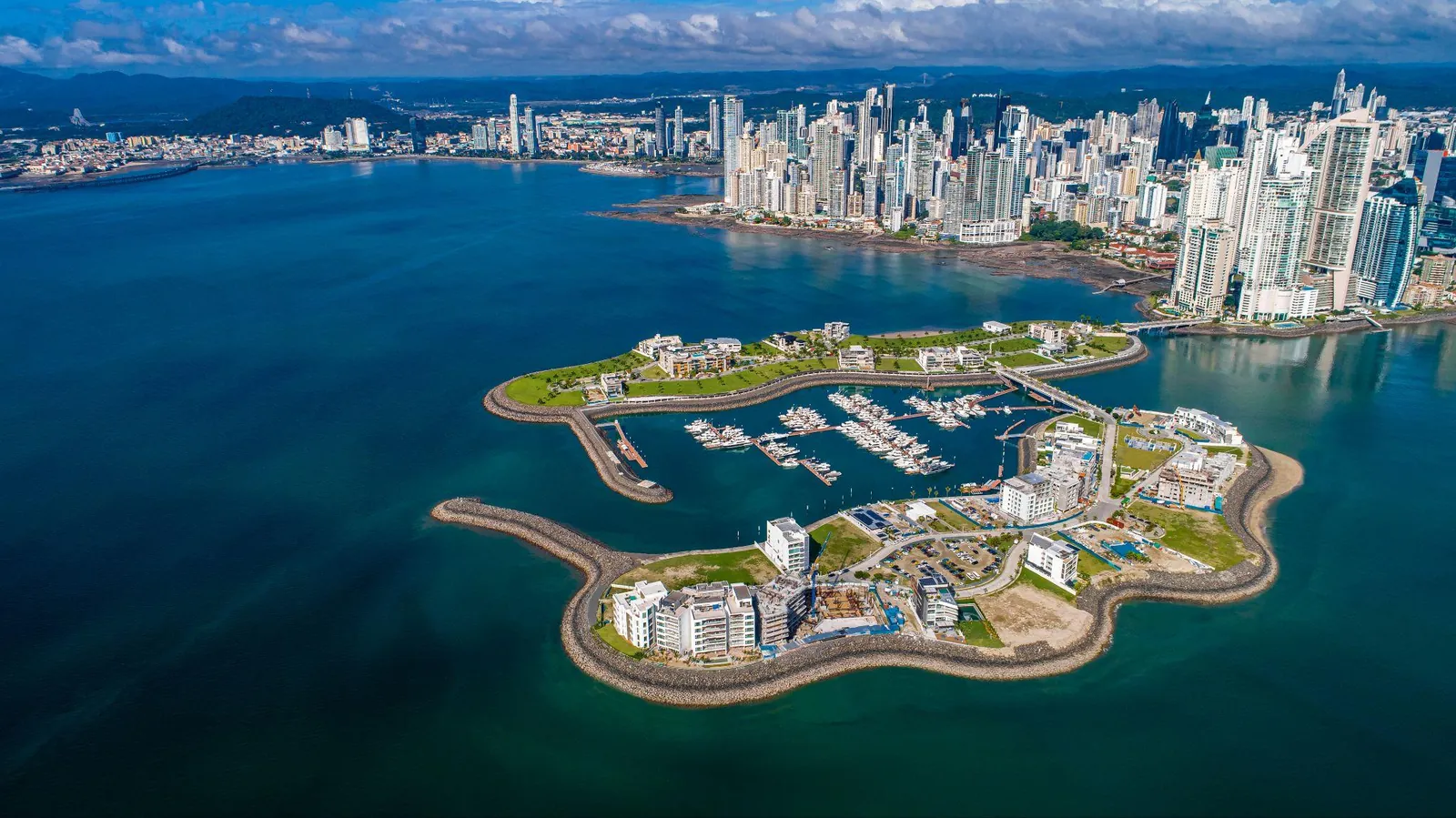
Living in Panama can be comfortable for an international investor, but the best experience starts with an accurate picture of the country rather than a brochure. Daily life varies sharply between Panama City, the Pacific coast and the highlands.
CPanama Real Estate has worked with international buyers since 2006. The clients who settle most confidently understand the practical advantages and the friction before choosing a property.
Panama uses US-dollar banknotes. Its own currency, the balboa, is fixed one-to-one with the dollar and circulates mainly as coins. For international buyers, property prices and much of daily spending are therefore easy to understand without a floating local-currency conversion.
Tocumen International Airport connects Panama City with destinations across the Americas and Europe. Panama does not observe daylight saving time: it matches New York during the northern winter and is one hour behind New York during the northern summer.
The answer depends more on lifestyle than on a single national average. Local produce, domestic services and transport can be good value. Imported food, vehicles, electronics, premium buildings and heavy air-conditioning use can narrow the difference quickly.
A useful budget should include rent or ownership costs, condominium fees, electricity, private healthcare, insurance, transport and travel. CPanama Real Estate recommends working from current properties and actual service charges rather than an undated online estimate.
Safety varies by district, time of day and individual habits. Many established residential neighbourhoods used by international residents are generally calm, while petty theft and opportunistic crime still require ordinary city awareness. Buyers should ask for current, street-level guidance rather than rely on a countrywide label.
CPanama Real Estate explains how an area functions during the day and at night, how clients move around it and which nearby zones require more caution. Security claims should always be specific and current.
Panama City has a strong private-healthcare sector and many internationally experienced doctors. Access becomes more limited outside the capital, so distance from specialist care is an important property decision for buyers considering the coast or highlands.
It can be harder than buying a property, especially for someone who is not purchasing in Panama and cannot show a clear local purpose. Banks may request references, proof of income, source-of-funds documents and an in-person meeting. Requirements differ by institution and client profile.
Starting early and presenting a complete file is more effective than treating the process as a last-minute closing task.
It is possible to begin in English in parts of Panama City, but Spanish makes daily life substantially easier. Utilities, building administration, medical intake and government processes may not operate comfortably in English. CPanama Real Estate helps clients bridge that practical and cultural gap.
The rainy season runs roughly from May to November. Sunshowers and short, heavy afternoon rain are common, although conditions vary by area. Air conditioning in Panama City runs much of the year and is reflected in electricity bills.
Traffic can be severe at peak times, and bureaucracy often requires paper, patience and in-person follow-up. These are manageable when a buyer chooses the location around daily routines and works with people who explain how the system operates.
Panama has several named routes, including Pensionado, Friendly Nations and Qualified Investor programs. Requirements and thresholds can change. CPanama Real Estate can identify the questions a buyer should raise and introduce qualified Panamanian immigration counsel for current written advice.
For many international buyers, yes. The combination of dollar-based daily life, international connections, established residential communities and varied lifestyles is compelling. The right introduction matters: clients are more comfortable when the culture, climate, banking process and neighbourhood trade-offs are translated honestly before they invest.
Explore living and investing in Panama with local guidance. Contact the CPanama Real Estate team to arrange a confidential conversation about locations, properties and the buying process.

Ask us about rebates on custom real estate tours when you purchase with CPanama Real Estate.
REAL ESTATE TOUR